What the HS code does in a weatherstrip shipment
Every cross-border weatherstrip shipment is declared to customs with a Harmonized System (HS) code. The code drives the duty rate, the clearance path and the consistency between the commercial invoice, packing list and bill of lading. Importers, customs brokers and freight forwarders all read the same figure, so a wrong or vague code usually costs more time at customs than a wrong carton mark.
Wool pile weatherstrip starts from the textile chapter of the tariff because the product is a narrow woven pile fabric strip. How many digits are carried beyond the international six depends on the destination schedule.
Where pile weatherstrip usually lands: heading 5806.10
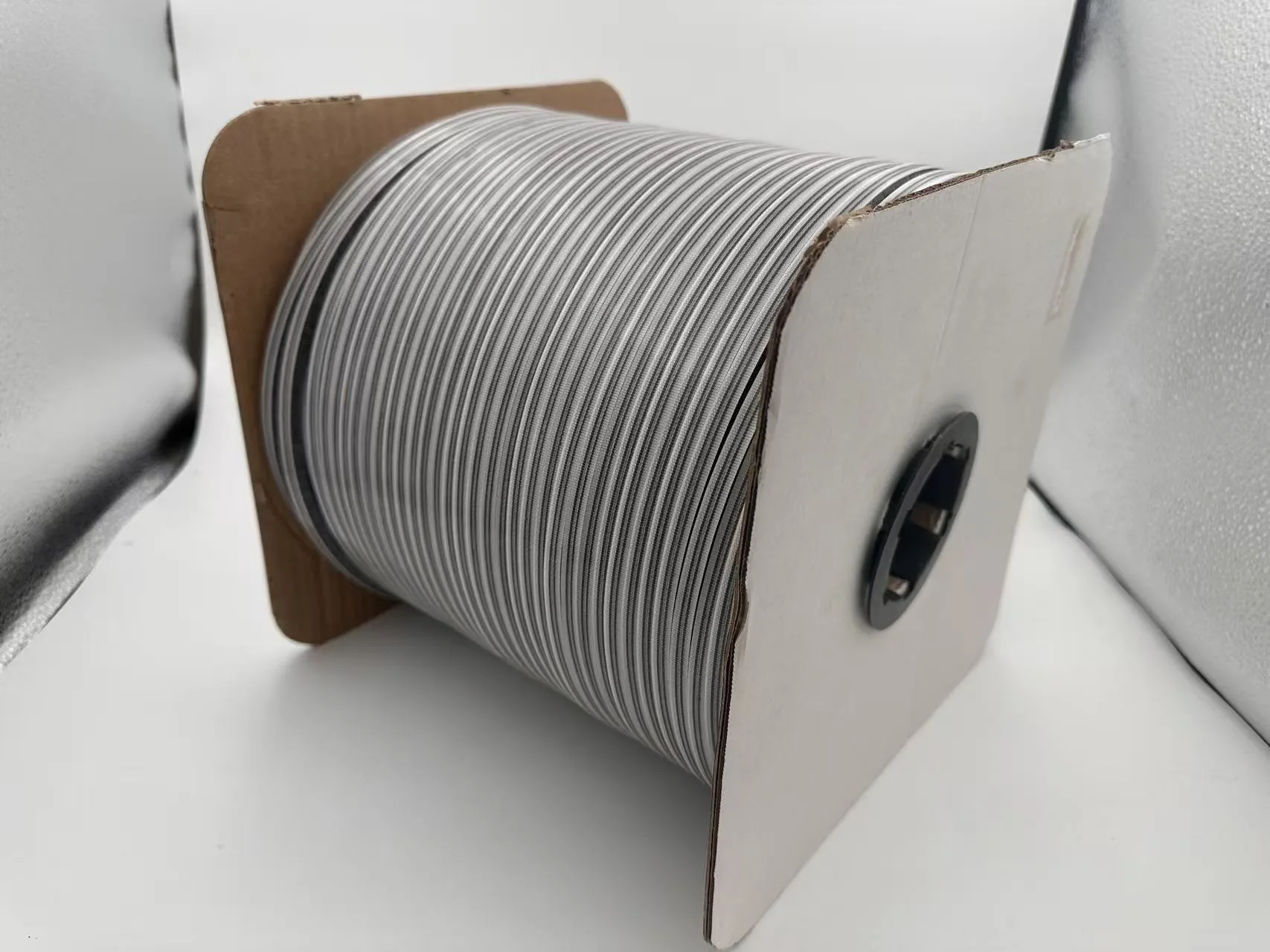
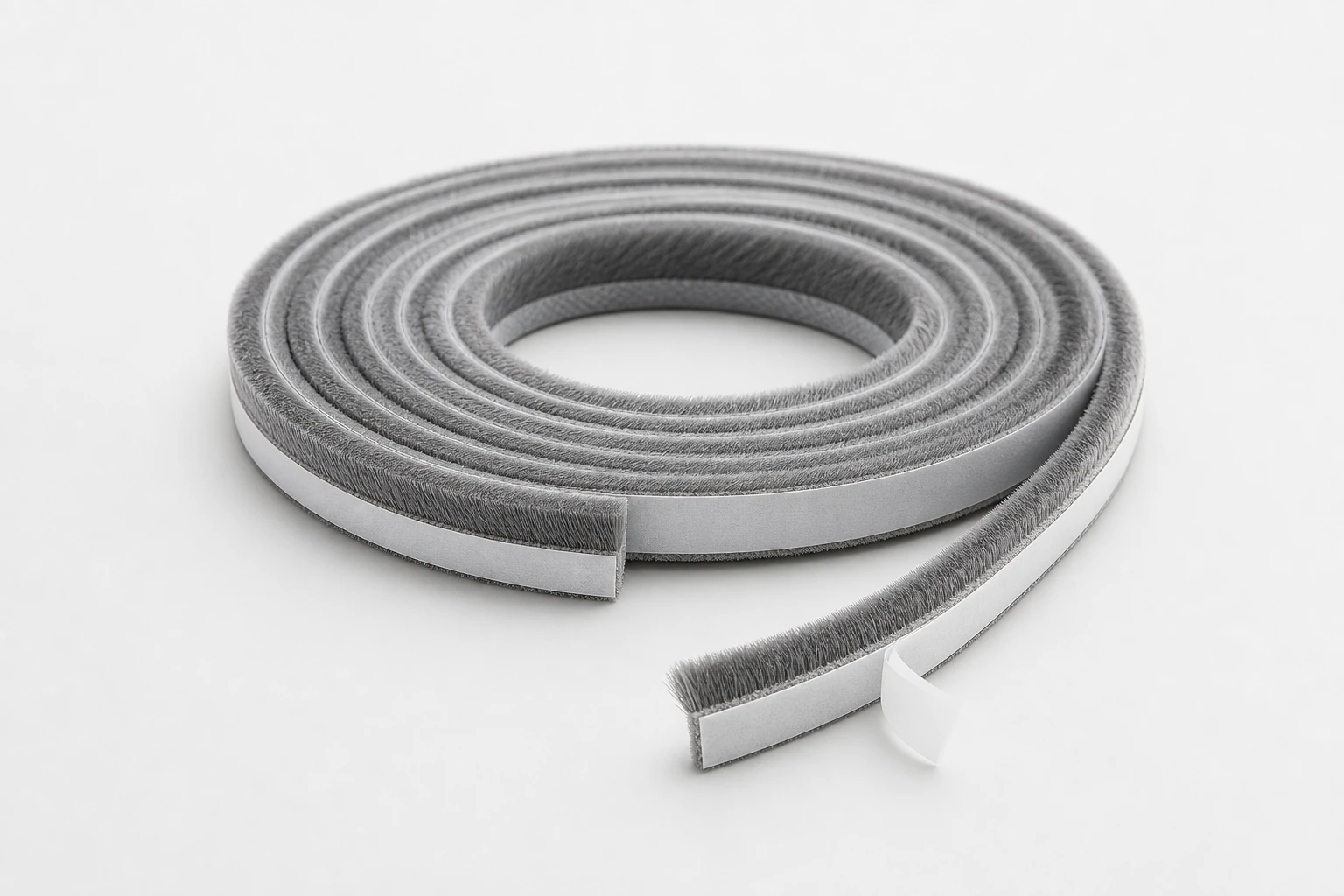
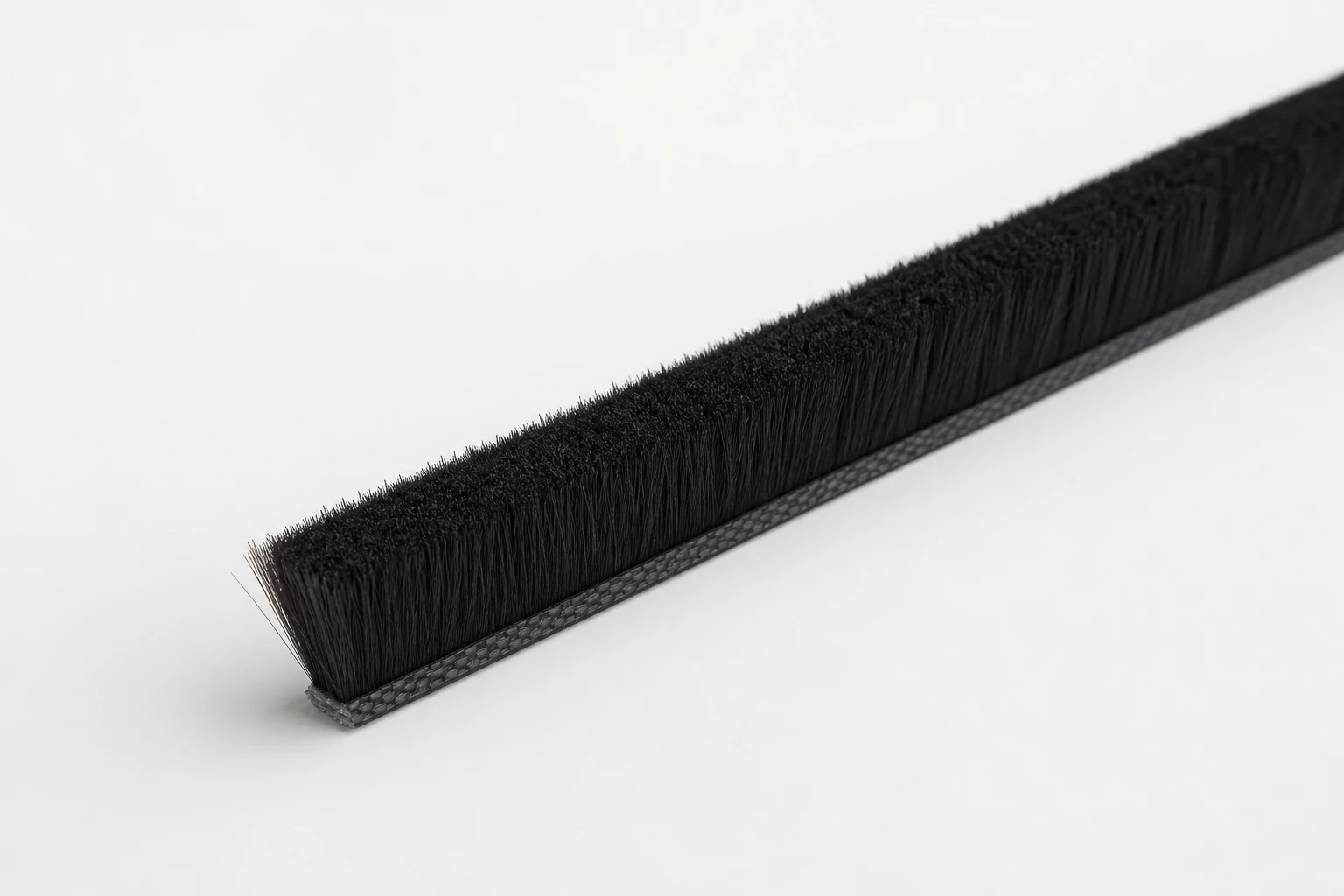
Heading 5806 covers narrow woven fabrics of a width not exceeding 30 cm. Subheading 5806.10 covers woven pile fabrics and chenille fabrics, which matches the construction of pile weatherstrip: pile yarn woven into a backing strip.
Despite the product name, the pile of a wool pile weatherstrip is normally polypropylene yarn. The material description on export documents should therefore state man-made fiber unless a written specification says otherwise.
| 5806 | Heading: narrow woven fabrics, width not exceeding 30 cm. |
|---|---|
| 5806.10 | Subheading: woven pile fabrics and chenille fabrics — the usual home for pile weatherstrip. |
| After the sixth digit | National schedule lines split by fiber, construction and destination-specific suffixes. |
How the code differs by destination
The first six digits follow the World Customs Organization harmonized system, so 5806.10 reads the same in every market. After that, each country maintains its own schedule. The United States uses 10-digit HTS lines and splits 5806.10 by fiber content, with separate statistical lines for pile of man-made fibers. Many Latin American schedules use 8-digit lines; for a number of these destinations ArctiveX references 5806.39.90, a line under other narrow woven fabrics, on export documents.
Never copy one country's full national code onto another destination's documents. Carry the six-digit level, then confirm the national suffix against the current schedule before the invoice and bill of lading are issued.
Next step
Need the code on your shipment documents?
Send the destination country together with your size, backing and fin requirement. ArctiveX confirms the export figure and product description in writing before documents are issued.
When classification can move away from chapter 58
Construction decides the heading. A strip whose body is a plastic profile, such as an extruded or co-extruded door sweep, or a product where the plastic carrier dominates, can be treated under the plastics chapter in some destinations. Self-adhesive products also raise finishing questions in certain schedules.
These borderline cases are exactly why the destination figure should be confirmed by construction and product composition, not copied from a generic chart. A customs broker who sees the real construction and material description can verify the line in minutes.
What to confirm before you pick the code
A clear end-section photo and a short material description answer most classification questions faster than a product name.
- Construction: woven pile fabric on a backing strip, or a plastic-dominant profile
- Fiber content of the pile: polypropylene is man-made fiber, not wool
- Adhesive backing or insertion base
- Destination country and the current version of its national schedule
- Duty treatment the importer's broker expects before the order ships
HS codes on export documents
The declared figure should read the same on the commercial invoice, the packing list and the bill of lading. Mismatches between documents are a common trigger for inspection and storage costs.
ArctiveX states the material composition and construction on export documents and confirms the destination-specific figure in writing before documents are issued. If your broker uses a different national line for the same construction, tell us before the shipment is documented so the paperwork stays consistent.
Common mistakes that delay customs clearance
Most HS-related delays trace back to details that were fixed after the documents were drafted rather than before.
- Using another country's full national code on a different destination
- Describing the pile as wool when the yarn is polypropylene
- Copying a code from an old shipment without checking the current schedule
- Leaving the code blank for the forwarder to guess at the port
- Changing the product description between the quotation, invoice and bill of lading
RFQ information checklist
Before requesting price, prepare these details so the supplier can check size, packing, sample and repeat order feasibility.
- Base width
- Pile height
- Backing thickness
- Density
- Color
- Roll length
- Packing method
- Order quantity
- Destination port
Send your destination country, specification and quantity. We confirm the weatherstrip HS figure used on commercial documents together with size, packing and sample details before quotation.